PreSonus’s new Quantum audio interfaces feature inputs that were co-developed with Fender
Auto Gain, Loopback and Reamping features are also in the mix
Auto Gain, Loopback and Reamping features are also in the mix

It’s a Minimoog, but not as you know it

Top-dollar gets you a dual-OLED display, but you can now get a lot of good stuff for significantly less
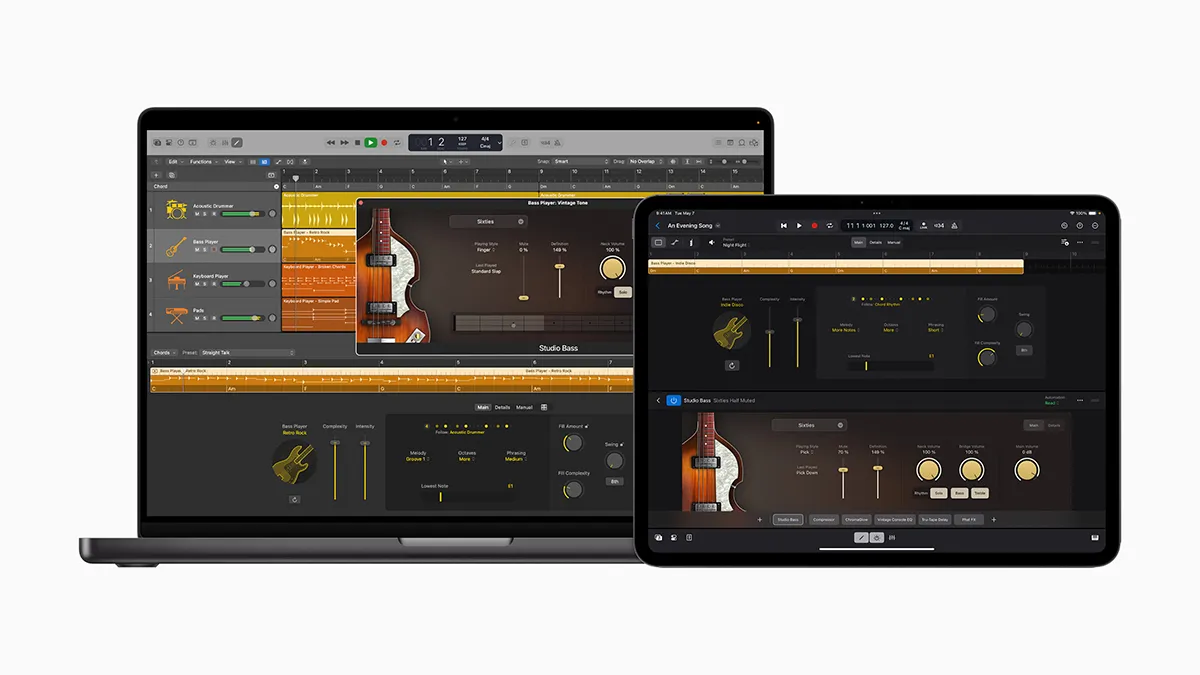
New versions of the mobile and desktop versions of the DAW are on the way

Is Ample more than just a greatest hits package from the AS back catalogue? We reach for the pins

Like a fine wine, Steinberg Nuendo just keeps getting better with age – if only we all could look so good after 24 years!
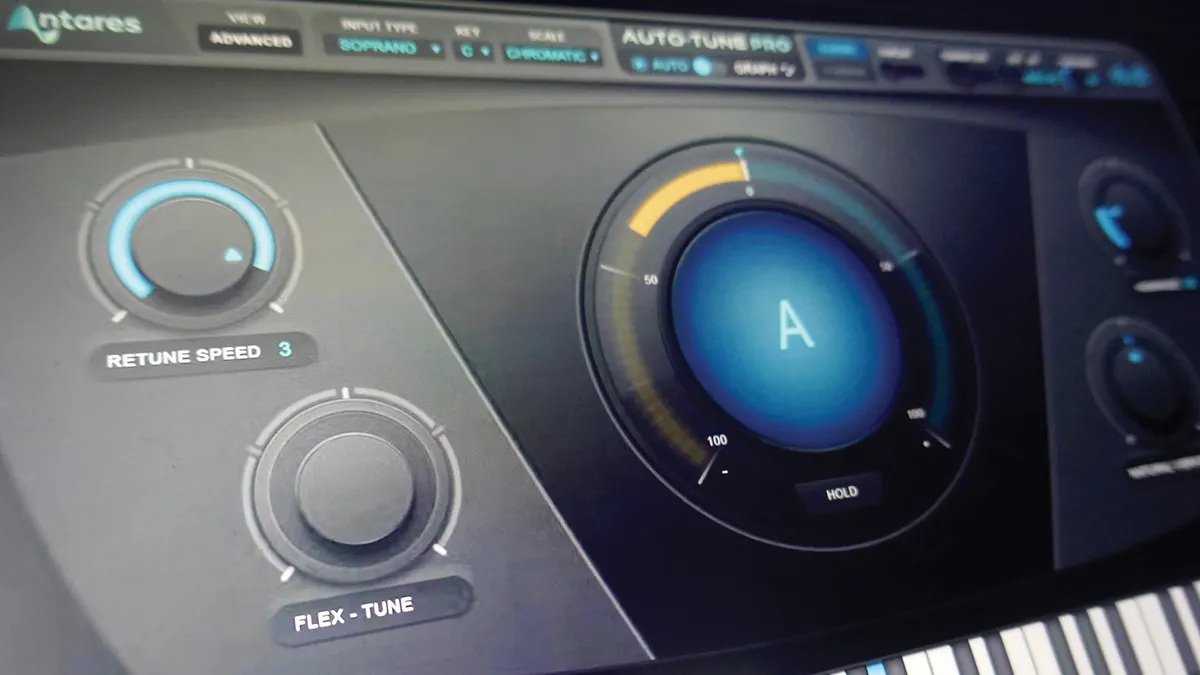
That hard-tuned, robot-like sound, first popularised by Cher, has now become something of a staple in modern pop

From the makers of the infamous Auto-Tune comes a vocal reverb plugin with added AI. Do you believe in reverb love after love?

Recreating a classic (though not very obvious) ARP synth with characteristic aplomb. We get Axxess all areas…

It’s hard to resist another seminal classic from Cherry Audio but at a bargain price of zero, are they selling themselves short?

Arturia’s mighty V Collection reaches generation X, but now its focus is not just on classic keyboards but new ones too

Playing a mono synth demands a different technique to conventional keyboard playing. Here's how...

"This technique is very simple, but I use it on most tracks..."

It looks like a game, but will you want to play it?

“Whenever this one breaks I have to beg for unused spares,” he says

Avoid unnecessary nightmares in the booth with our guide to the main technical problems you’re likely to run into

The new version of the DAW-cum-plugin will be released on 18 June

The companies say that they’ll work together to protect “human artistry” from the threat of AI-generated content

Deftly side-stepping the subscription saga, we spent some quality time with Minimal Audio’s dexterous flagship. Here’s our findings…