Most Popular


The EM Poll


Current issue highlights

Subscribe to EM
Purchase back issues of EM

browse back issues


Follow Us On...


RedOne | International Hitman

Apr 9, 2010 4:14 PM, By Mike Levine


         Subscribe in NewsGator Online   Subscribe in Bloglines
 

REDONE, PRODUCER AND SONGWRITER FOR LADY GAGA AND MANY OTHERS, REVEALS HIS STUDIO TECHNIQUES, HIS FAVORITE DAW, HIS VIEWS ON TUNING VOCALS, AND MORE

CURRENT NEWSSTAND ISSUE

Read the full Table of Contents for the issue on sale now! Click here

Subscribe for only $1.84 an issue!

Please tell us about yourself so we can better serve you. Click here to take our user survey.

MixBooks Logo
Life in the Fast Lane

This collection of St.CroixÕs columns was assembled during the two years following his death of cancer in May 2006. Included are many of his most-read columns, as well as personal notes, drawings and photographs.

Click for more books
EM Podcasts

Listen to these latest podcasts and more:
Bela Fleck on recording Jingle All the Way.Go

What's New: software and sound products. Go

eDeals Newsletter for Discounts on Gear

Get First Dibs on Hot Gear Discounts, Manufacturer Close-Outs and Job Opportunities when you sign up to receive eDeals E-newsletter, sent twice a month. Check out an issue get advertising info or subscribe

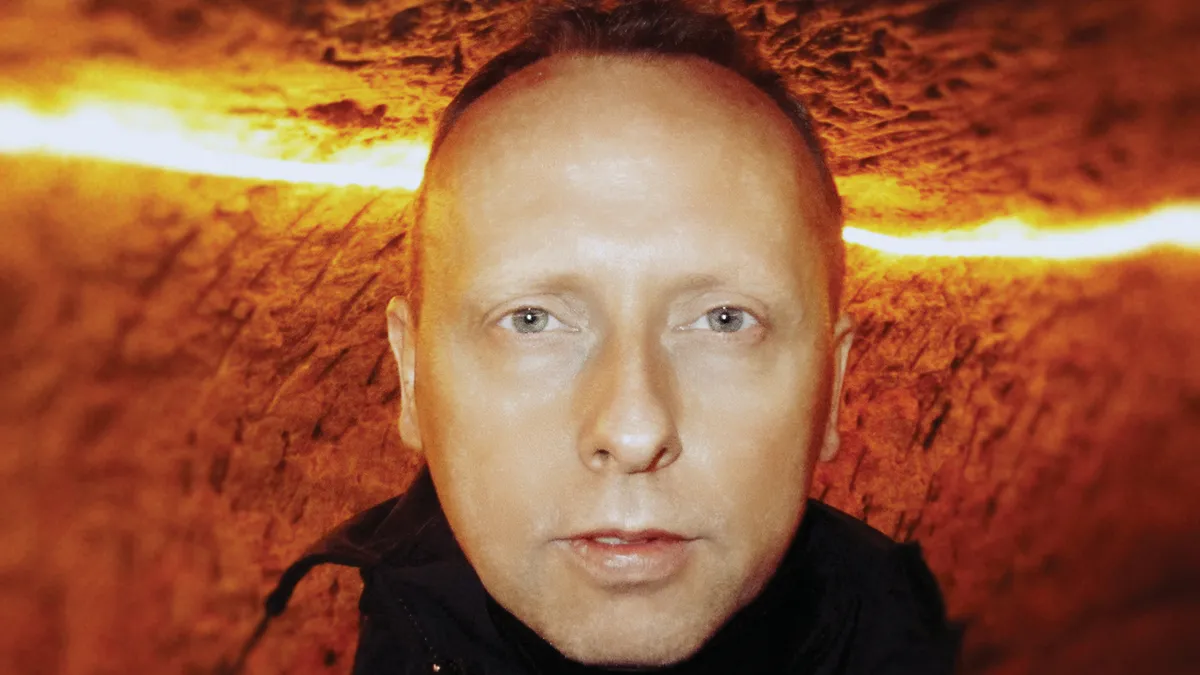
FIG. 1: RedOne has played a major production and songwriting role in both of Lady Gaga’s albums, including the most recent, <I>The Fame Monster</i>.

FIG. 1: RedOne has played a major production and songwriting role in both of Lady Gaga’s albums, including the most recent, The Fame Monster.

Do you have any techniques that you use to get artists to relax and get into the flow?
Honestly, I don’t have a [particular] technique. I’m just behaving the way I do with everybody. My personality has always been—in my life—trying to make the other person comfortable. When I have a situation that could be awkward, I try to make it easier. And that’s maybe one thing that I added into my production skills, and it’s working. I remember before I was this successful, people said that I had to have more of an “attitude” to get respect—you’ve got to work a certain way. I was like, “No, I’m me.” And that’s the way it is.

When you’re working with vocalists, what do you do as a producer to try to make them sound their best?
I always listen to the artist and try to find out what’s special with them. What’s special about the voice, the tone? On what register they’re best at, how they shine. A lot of times, whether or not a song becomes a hit—even if it’s a good song—has to do with the right key or the right emotion, or the right production. So if you find those qualities that can make an artist shine, that’s what I always focus on, and that’s one of the key things to getting a good result.

Take Lady Gaga for example: What were the qualities that you found in her music that you were able to accentuate?
I remember telling her that I love that when she sings out, she gets this ’80s voice that’s powerful, which she was using less of before we met. It’s hard for me to show you what it is. But like on “Poker Face,” on the chords, you hear the detail, and when she sings, “Can’t read my, can’t read my”—that kind of voice. I really felt like I brought that out of her. It’s not like my thing; she had it. I just love that tone, and you start adding more and more of those situations where she would sing like that, and it would sound perfect there. I think that’s one of the qualities. And there are still some parts where you think that she needs to go with this crazy attitude. You add them together, and it gives a whole personality to her. Not to take anything from her creativity either.

Do you have a recording setup at home? Do you do any of your songwriting from there? Or preproduction?
Of course. I’ve got a portable studio with me 
wherever we go. [Gaga and myself] wrote “Bad Romance” in a bus, on our way from one country to another.

What does your setup contain?
It’s a computer—a Mac, and [Apple Logic Pro 9], samples, and headphones.

Do you also use Logic in the studio when you’re doing the big sessions, or is it Digidesign Pro Tools?
No, only Logic.

What is it about Logic that you like?
It’s easy. It’s very quick to me. I’ve been working with Logic since ’95 or something like that. Before it became Apple, when it was Emagic and all of that. And it’s become easier and easier. To me, Logic is very logical.

Do you use the Logic plug-ins or do you use a lot of third-party ones?
I use the Logic plug-ins.

For compression and other effects?
Yeah, compression, effects, delays; I love the delays in Logic. Everything is beautiful.

So when you’re working in a big studio, you’re still running Logic rather than 
Pro Tools?
Yes. If you think about all the hits I did with Gaga, honestly, it was a funny thing. We were working in big rooms, but we were using my equipment. Like my Apple studio speakers, and we were working from my laptop most of the time.

Do you use Logic on top of TDM hardware or just native in the computer?
I use Logic inside the computer. [To read more about his use of Logic, read “RedOne Redux.”]

Do you get involved in the mixing side of things?
I have my guy who mixes for me, but what I love about him is he doesn’t change my mix. When I’m done with my production, it sounds almost [finished].

So you mix it as you go?
If it doesn’t sound right, it’s wrong. That’s how I feel. The whole sound is what I’m creating because I’m mixing a certain way. So that’s why it’s taken me awhile to find the right mixer who is going to respect exactly what I’ve done and just take it to a better level.

Who is your mix engineer?
Rob Orton.

Get Copyright ClearanceWant to use this article? Click here for options!
© 2010 Penton Media, Inc.


Acceptable Use Policy
blog comments powered by Disqus

Back to Top