Most Popular


The EM Poll


CURRENT ISSUE

SUBSCRIBE
$1.84 an issue!

EM DIGITAL EDITION
Try it for free today!

browse back issues


Follow Us On...


AIR | Studio Symmetry

Nov 1, 2009 12:00 PM, By Sam Pryor


         Subscribe in NewsGator Online   Subscribe in Bloglines
 

RECORDING IN THEIR BRAND-NEW STUDIO, AIR FINDS NEW LEVELS OF CREATIVITY WHILE DEFTLY BLENDING ELECTRONIC AND ORGANIC TEXTURES

CURRENT NEWSSTAND ISSUE

Read the full Table of Contents for the issue on sale now! Click here

Subscribe for only $1.84 an issue!

Please tell us about yourself so we can better serve you. Click here to take our user survey.

MixBooks Logo
Life in the Fast Lane

This collection of St.CroixÕs columns was assembled during the two years following his death of cancer in May 2006. Included are many of his most-read columns, as well as personal notes, drawings and photographs.

Click for more books
EM Podcasts

Listen to these latest podcasts and more:
Bela Fleck on recording Jingle All the Way.Go

What's New: software and sound products. Go

eDeals Newsletter for Discounts on Gear

Get First Dibs on Hot Gear Discounts, Manufacturer Close-Outs and Job Opportunities when you sign up to receive eDeals E-newsletter, sent twice a month. Check out an issue get advertising info or subscribe

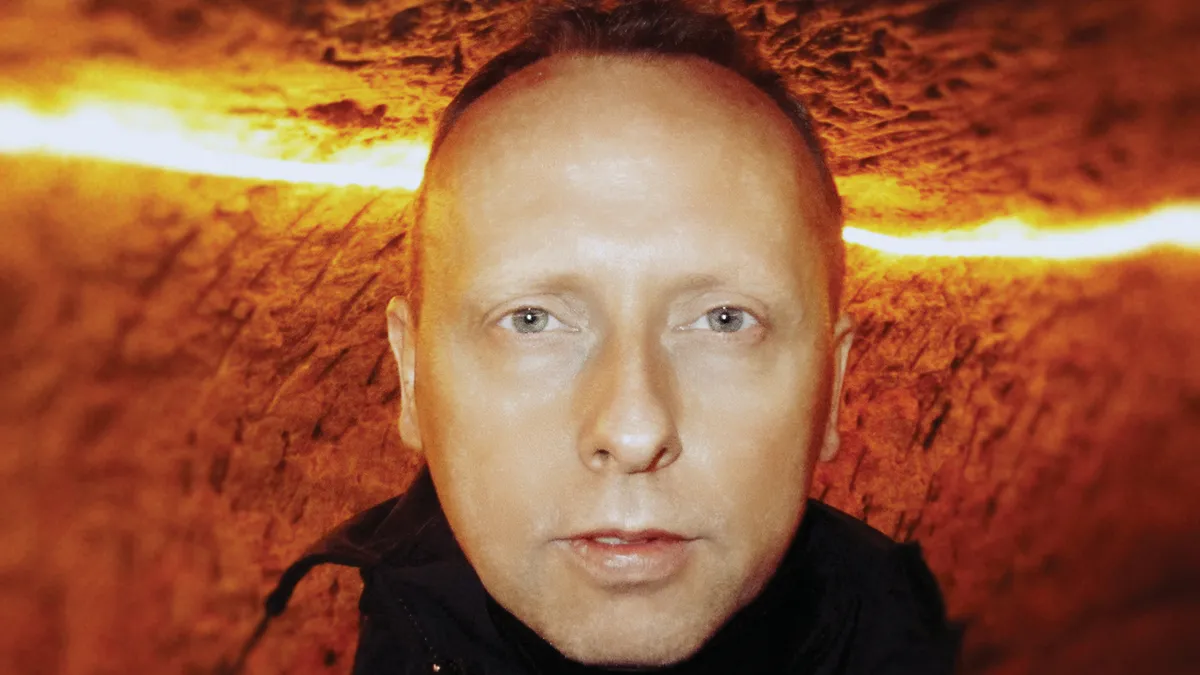
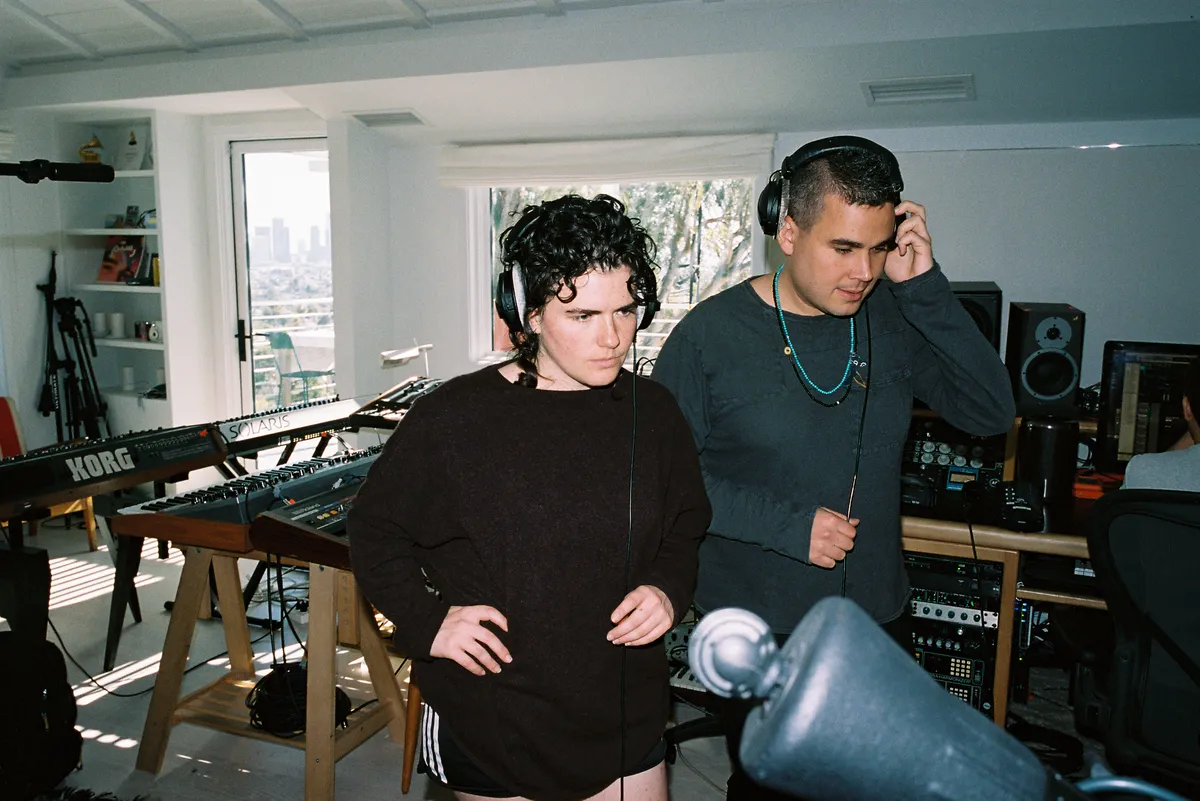
Dunckel (left) and Godin

Dunckel (left) and Godin

For years, the French duo AIR has navigated a demarcation zone between soft pop, experimental electronica, trendy lounge and brain-challenging prog rock. If you attended one of their late-'90s shows, you might have thought you'd stumbled into some Pink Floyd revivalist concert: Analog synths spewing mad layers of crunchy sound, a grandiose laser-light show, spastic drumming from premier sideman tub-thumper Joey Waronker, and the passively charming vocals of AIR principals Jean-Benoit Dunckel and Nicolas Godin.

But if you listened to the band's recordings back then, such as the 1988 Moon Safari (Astralwerks) or the 1997 debut EP, Premiers Symptomes (Astralwerks), you'd never imagine these musicians — raised playing bass (Godin) and keyboards (Dunckel), and only later learning to work with samplers and computers — are the same ones from the live show. Oozing Godin's coiled, shimmering bass lines that recalled some '70s porn flick, and accompanied by Dunckel's ethereal vocals, synthesizers and then-in-vogue trip-hop beats, Premiers Symptomes remains the duo's basic sonic blueprint to which they have added layers of texture and influence over the course of six albums (collaborating with Beck, Francoise Hardy, Jean Jacques-Perrey and Phoenix's Thomas Mars along the way).

AIR's new CD, Love 2 (EMI, 2009), confirms Godin and Dunckel's mastery of their unique sonic world. The self-produced album, which combines the duo's trademark electronic sound with a spontaneous, live-performed vibe, was recorded in their newly constructed Atlas Studio — a large 40×70-foot room without separate vocal or drum booths. The gear they used included aan Apple Mac G5 running Digidesign Pro Tools; a bevy of period keyboards including an ARP Solina, Korg MS20, Sequential Circuits Prophet 5, Wurlitzer, Memorymoog, Moog Source and Minimoog; a classic Roland TR-808 drum machine; and some modern synths such as an Elektron Monomachine and a Manikin Memotron. They patched and mixed everything through a 24-channel Trident Series 65 console, and also employed a '70s-era Rogers drum set, various MoogerFooger processors and three Neumann U47 mics.

An ominous synth melody, distorted outerspace waves and vocoded vocals lift the opener, “Do the Joy,” to Tangerine Dream-meets-Karen Carpenter-worthy heights. The sublime, bass-driven beat-box fury of “Love” follows, and then the buzzing experimentalism of “Be a Bee” and “Tropical Diseases.” The latter brings to mind Pink Floyd collaborating with Keith Emerson, Ryuichi Sakamoto and some insane pan-flute player. “Sing Sang Sung” is Love 2's overt play for pop perfection, with Dunckel's stacked vocals sounding like a choir of absurd Japanese pop stars, while sweet synths and gently strummed acoustic guitars lull the senses.

Recording at their own studio, Dunckel and Godin now have plenty of time for experimentation, resulting in tracks that combine exotic rhythms and analog synths, possibly pointing to the group's future. “Eat My Beat,” “You Can Tell It to Everybody” and “African Violet” are largely instrumental tracks that blend lush keyboard sounds, jagged beats and Godin's melodic bass mastery into collage pieces as fascinating as Brian Wilson's Pet Sounds romanticism, yet as daring as any cutting-edge electronic beat fest.

I recently sat down with AIR at EMI headquarters in New York City and found the duo as in love with sound and style as they are with classic songwriting.

What did you achieve in your new studio that was unavailable to you in a commercial space?

Dunckel: Quality and texture of sound and the stereo image. This album is much more acoustic-sounding. It's a bit like the spirit of a jazz band that records together in a room and you have this incredible acoustic sound.

Godin: When we recorded at professional studios, we weren't thinking of the songs beforehand; the songs were born outside of the recording studio. It was always very slow. Now, for the first time, the songs were born inside the recording studio so they have more energy. We can create the songs with the drummer in the room. It's not like we have a demo, then we go into the studio. It's still that vibe, but we can create the recording in a very quiet, private place. And because it's our own studio, we don't have to worry about the clock. As a paradox, we worked super-fast. I was afraid if I had my own studio we would stay in there forever, and in fact it was the opposite. We just recorded so fast.

You didn't record multiple takes?

Godin: No, no. We did a small tour last fall, and the day before going on tour we recorded half of the tracks with Joey Waronker. When we returned, the next day we recorded the rest of the tracks. That's for 12 songs — the fastest album ever.

Is there is a discernable difference between the sound of Love 2 and your last album, Pocket Symphony (Astralwerks, 2007)?

Dunckel: Yes because we are using more acoustic instruments. Drums, guitars and the Fender Mustang bass through the Ampeg SVT. We played a lot with the position of the microphones.

Godin: Before, we had to have instruments delivered. Now everything is just there. If we have an idea, we can record it on the spot so there is much more creativeness. Pocket Symphony was very ice and very cold-sounding — very Zen. For this one, we wanted something more messy.

Get Copyright ClearanceWant to use this article? Click here for options!
© 2009 Penton Media, Inc.


Acceptable Use Policy
blog comments powered by Disqus

Back to Top