Review: Kurzweil Music Systems PC3x
Feb 1, 2009 12:00 PM, By Jason Scott Alexander
A PERFORMANCE KEYBOARD THAT PULLS OUT ALL THE STOPS
BONUS MATERIAL
The Factory Tour, V.A.S.T. Improvements
advertisement
|
CURRENT NEWSSTAND ISSUERead the full Table of Contents for the issue on sale now! Click here Subscribe for only $1.84 an issue! Please tell us about yourself so we can better serve you. Click here to take our user survey. |
| |
![]() |
Life in the Fast Lane This collection of St.CroixÕs columns was assembled during the two years following his death of cancer in May 2006. Included are many of his most-read columns, as well as personal notes, drawings and photographs. Click for more books |
![]() Listen to these latest podcasts and more: |
|
eDeals Newsletter for Discounts on GearGet First Dibs on Hot Gear Discounts, Manufacturer Close-Outs and Job Opportunities when you sign up to receive eDeals E-newsletter, sent twice a month. Check out an issue get advertising info or subscribe |
|
For much of the past two decades, the core of Kurzweil's amazing V.A.S.T. (Variable Architecture Synthesis Technology) synthesis architecture remained essentially unchanged except for a few noteworthy additions. But with the new PC3 keyboard synth, the company introduces Dynamic V.A.S.T., which picks up where the venerable K series left off and goes considerably further, while expanding on the live-performance features of the popular PC series.
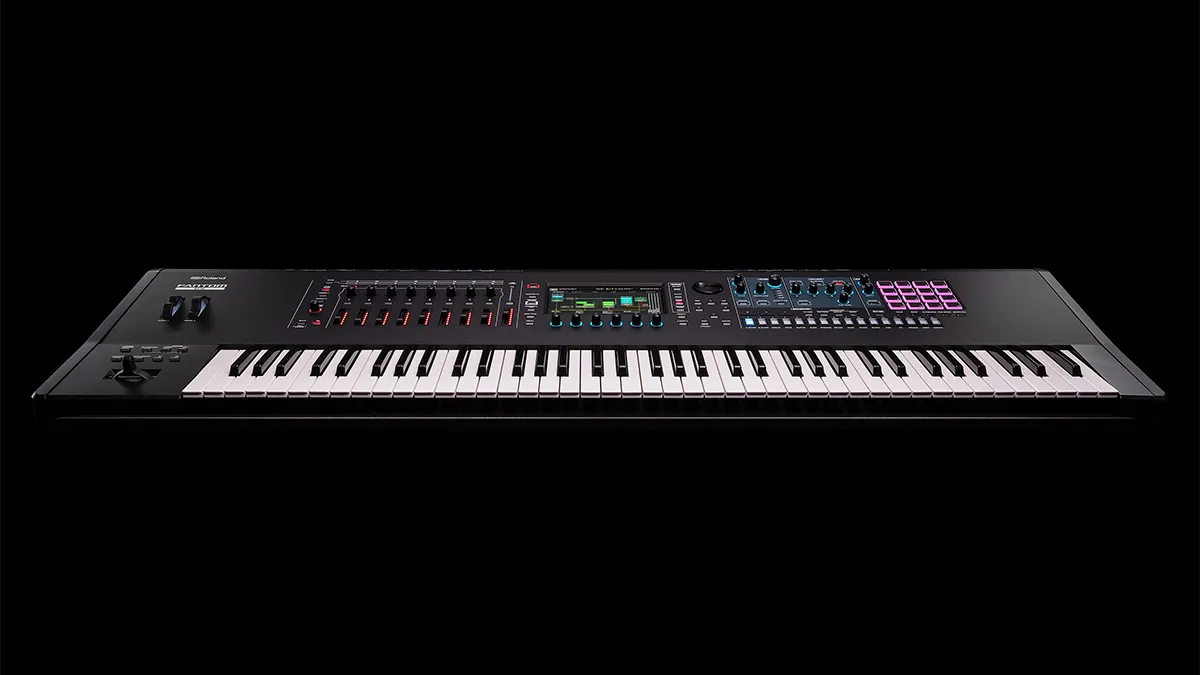
FIG. 1: Kurzweil’s keyboard synth and controller features an 88-key weighted action, outstanding sounds, and an improved version of the company’s awesome V.A.S.T. programming architecture.
The PC3 is available in two models that differ only in their keyboard actions: the PC3x ($3,630; see Fig. 1) features an 88-note weighted action, and the PC3 ($2,830) has a 76-note semiweighted action. (A model with a 61-key synth action should be shipping by the time you read this. Its price has not been announced.) The synths provide 128 voices of polyphony and are 16-part multitimbral. Powered by Kurzweil's newest custom chip set, the PC3 comes loaded with 64 MB of sample ROM — small by today's standards, but Kurzweil's programmers are masters at stretching sample memory. The 800-plus factory programs include the company's acclaimed Stereo Triple Strike Piano, Orchestral and Contemporary sound blocks, Classic Keys, and new Strings.
The PC3 also introduces a completely overhauled KB3 Tone Wheel Organ Simulator, which offers improved real-time controls. To top it off, Kurzweil has resurrected the VA-1 Virtual Analog Synthesizer, which it had previously shown but never released.
Box Full of Ivory
Although the PC3x isn't the heaviest piece of gear, at 54 pounds, it is hefty. The all-metal chassis is rugged and beautifully sculpted, with smooth curves and a slightly effervescent, deep cobalt-blue paint job that appears black under dim lighting.
The Fatar TP40L fully weighted hammer-action keyboard is the lead-free successor to the TP10 MDF, which was used in the PC2 and K2600. This new assembly features Velocity and Aftertouch sensitivity and a quick-release spring, providing an ideal balance for playing both piano parts and synth/organ parts. I'm not a fan of the slippery, high-polished plastic keys found on most digital keyboards; the slightly “flat” finish of the PC3 keys felt a lot more elegant, reminding me of a glorious old grand piano with real ebony and ivory. The new action feels solid and wonderfully realistic.
The angled, graphic, backlit LCD is a major improvement over the PC2's dual-line display. The streamlined page layouts and intelligent soft-button choices on the PC3 convey only the information you need, when you need it. To the right of the display is a block of 24 buttons that allow you to select favorite sounds by program or category — great for one-touch retrieval during performance.
Conveniently situated to the left of the panel are nine sliders (increased from four on the PC2) for real-time parameter editing in Program mode and for tonewheel-organ drawbar emulation in KB3 mode. The unused space on the far right is perfect for a tabletop sound module or a mouse pad.
The PC3 provides plenty of pedal and switch inputs, as well as a Yamaha-style breath-controller input and a modular telephone-style jack for Kurzweil's proprietary Super Ribbon Controller ($59.95). Two internal sockets accept 64 MB and 128 MB sound-expansion ROMs. The USB port enables MIDI transmission, firmware updates, and connection to a PC or Mac. Currently the computer connection is for loading and saving program and song files, but it will soon work with a cross-platform PC3 editor-librarian by Soundtower, which should be available by the time you read this.
My review unit arrived with OS 1.0 installed and a very incomplete, preliminary hard-copy manual. I immediately upgraded to OS version 1.21.9030 from the Kurzweil Web site — it took less than 20 seconds to install and reboot — and proceeded to download a very thorough, 308-page PDF user guide. The internal power supply is selectable between 120 and 240 VAC. A metal piano-style, KFP-1 sustain pedal is included.
Be the Architect
Unlike many hardware-synth architectures, V.A.S.T. lets you build sounds from a combination of internal samples and waveform generators, and then modify those sources using a wide range of low-level DSP functions. These can be anything from oscillator blocks to freely assignable filter blocks, signal shapers, mixers, and so on. The functions you choose, and their arrangement into algorithms, essentially define the type of synthesis.
Programs in the PC3 can have up to 32 layers, each with programmable Velocity switching and note range. The DSP functions within a layer's algorithm can be independently controlled by a variety of sources, including LFOs, an ASR envelope generator, 7-stage EGs, a set of unique programmable Boolean logic/math functions (FUNs), and any MIDI control message. The entire concept descends from the K2000 but has been greatly improved. (Explore the differences in the online bonus material “V.A.S.T. Improvements” at emusician.com/online_exclusive/kurzweil_pc3x_bonus_material.)
Want to use this article? Click here for options!
© 2010 Penton Media, Inc.
Acceptable Use Policy blog comments powered by Disqus